
hide

Fiber Optic Sensing

Making Fiber Smarter Than Ever with AI

Your fiber is more than a link, it’s a lifeline for businesses, communities, and mission-critical operations. Yet, accidental digging, micro-bending, or unauthorized access can cause costly outages and safety risks. STL Fiber Optic Sensing uses Distributed Acoustic Sensing (DAS) and AI analytics to turn your existing fiber into a powerful monitoring grid without laying a single new sensor cable.

Whether you’re preventing accidental fiber cuts in a busy city, safeguarding thousands of kilometers of oil pipelines, or keeping your digital infrastructure alive in extreme weather, STL FOS ensures your network is more than connected — it’s aware, predictive, and always watching over itself. With STL FOS, you don’t just respond to incidents. You prevent them.

Not Sure Where to Begin? Book your Consultant

Designing a resilient, threat-aware, future-ready network? Let our experts help you deploy the right FOS solution. Built to sense, protect, and predict.

Not Sure Where to Begin? Book your Consultant

Designing a resilient, threat-aware, future-ready network? Let our experts help you deploy the right FOS solution. Built to sense, protect, and predict.

How DAS Works?

Imagine a cable that doesn’t just carry information but also keeps you informed. Fiber Optic Sensing (FOS), powered by Distributed Acoustic Sensing (DAS), turns everyday fiber optic cables into intelligent sentinels. They can detect vibrations, movements, or anomalies across long distances, making them a natural fit for industries like railways, pipelines, and perimeter security.

What makes FOS so compelling is its reliability!

Fiber optic cables thrive in harsh environments, are resistant to electromagnetic interference, and long lasting. In many cases, the network is already in place, making it easier and more cost-effective to extend monitoring without adding new hardware. For operators and enterprises, this means better safety, proactive risk management, and stronger operational efficiency. STL’s solutions bring the promise of fiber beyond connectivity, into sensing and protection.

Optical Fiber Cable Catalogue

Explore our comprehensive range of Optical Fiber Cables, designed to meet diverse networking needs. Our portfolio includes Multi Loose Tube, Unitube/Central Fiber Core, Micromodule, Tight Buffer, Flat Ribbon, Intermittently Bonded Ribbon, and Specialty cables. Each cable type is engineered for optimal performance across various applications, ensuring high-speed data transmission and reliability. Browse our catalogue to find the ideal solution for your networking requirements.

Elevate your connectivity with our trusted Optical Fiber Cable offerings.

Beneath the ground lies more than fiberit’s an intelligent sensing network.

1. Predicts trouble before it strikes

Detects early signs of digging, drilling, or movement near your fiber routes giving your team time to act before a single strand is harmed.

2. Protects high-value linear assets

Beyond telecom, FOS safeguards oil & gas pipelines, power lines, and perimeter fences from intrusion or damage.

3. Integrates with your existing systems

Works with your current NOC, SCADA, or VMS platforms. No need for a complete overhaul.

4.Withstands harsh environments

Rain, fog, dust, snow, or total darkness — FOS keeps listening when cameras and other sensors fail.

Intelligence That Acts Before Damage Happens

AI-Driven Sensing Engin

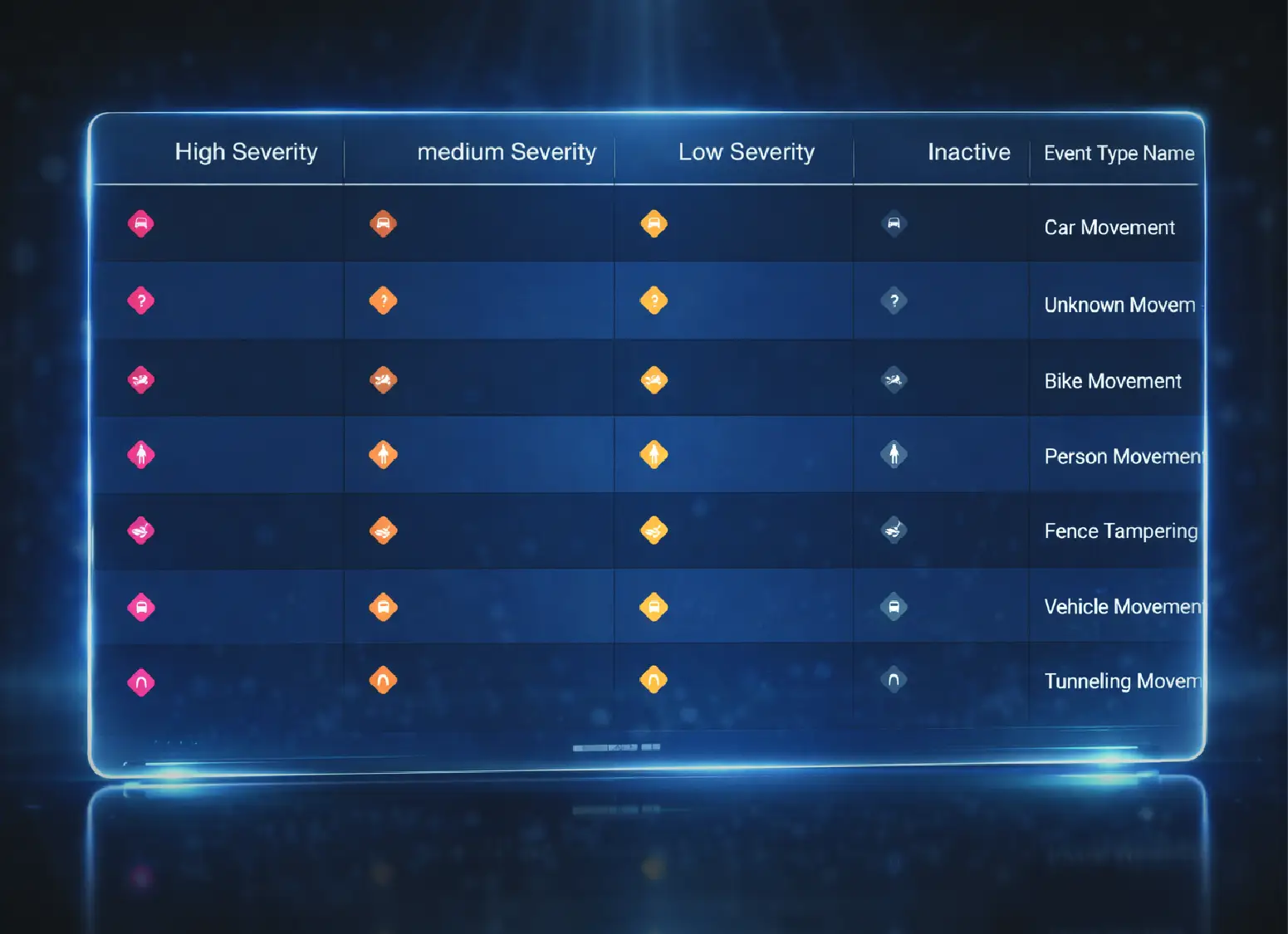
Our AI engine continuously learns from real-world vibration patterns across your fiber routes. It doesn’t just detect activity, it understands it. From routine environmental noise to high-risk threats, the system intelligently classifies events so you see only what truly matters, not background clutter

Alerts in Under 5 Seconds

When unmanned digging or intrusion begins, every second counts. Our system detects, analyzes, and alerts you in under five seconds, giving your teams the critical time needed to intervene before fiber damage, service outages, or safety risks occur.

Low False Alarm Rate

Reliability is non-negotiable. With advanced AI/ML classification, our FOS solution maintains a false alarm rate of less than 1%. That means fewer distractions, higher operator confidence, and faster response to genuine threats, without alert fatigue.

Not Sure Where to Begin? Book your Consultant

Designing a resilient, threat-aware, future-ready network?
Let our experts help you deploy the right FOS solution. Built to sense, protect, and predict.

Not Sure Where to Begin? Book your Consultant

Designing a resilient, threat-aware, future-ready network? Let our experts help you deploy the right FOS solution. Built to sense, protect, and predict.

Not Sure Where to Begin? Book your Consultant

Designing a resilient, threat-aware, future-ready network? Let our experts help you deploy the right FOS solution. Built to sense, protect, and predict.

Other Related Products


Optical Fibre
Optical Fibre

Fibre optics refers to the technology and the medium associated with the transmission of data as light pulses along a ultrapure strand of glass, which is a thin as a human hair.
Optical Connectivity

Due to increasing data demands, there's a dire need to create new fibre deep networks and data centres, which would encourage faster 5G and FTTH adoption.

Speciality Cable
Speciality Cable

The world is getting smarter and connected. Converged and high bandwidth application networks have unique challenges which make high performance connectivity a top priority.
FAQs About FOS

When light travels through a fiber, tiny amounts of light scatter back due to natural imperfections in the fiber.This scattering is known as Rayleigh scattering. External disturbances like digging, footsteps, traffic etc. creates vibrations which will lead to change in this scattering pattern.Detecting this scattered light in real time helps to detect the vibrations.This is called Distributed Acoustic Sensing (DAS) technology .

STL developed AI/ML algorithms analyze vibration patterns, intensity, and frequency.Vibration analysis results of a passing truck looks different from a digging activity. The system classifies vibrations into categories, helping operators respond only to genuine threats and harmless vibrations are discarded.

Yes. FOS continuously monitors thousands of points along a fiber. Each event is mapped to its exact location, allowing simultaneous detection and reporting of multiple disturbances at the same time.

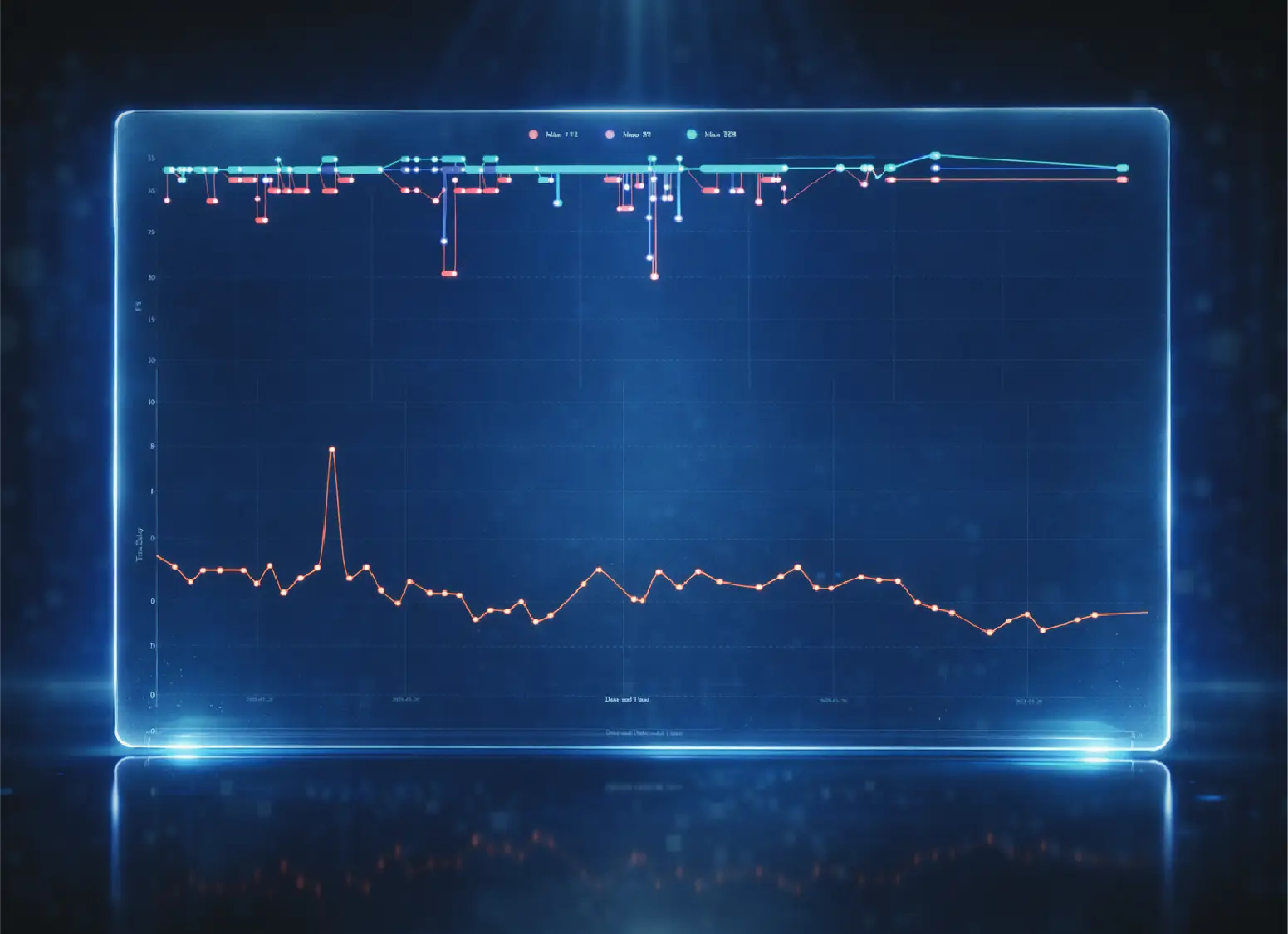
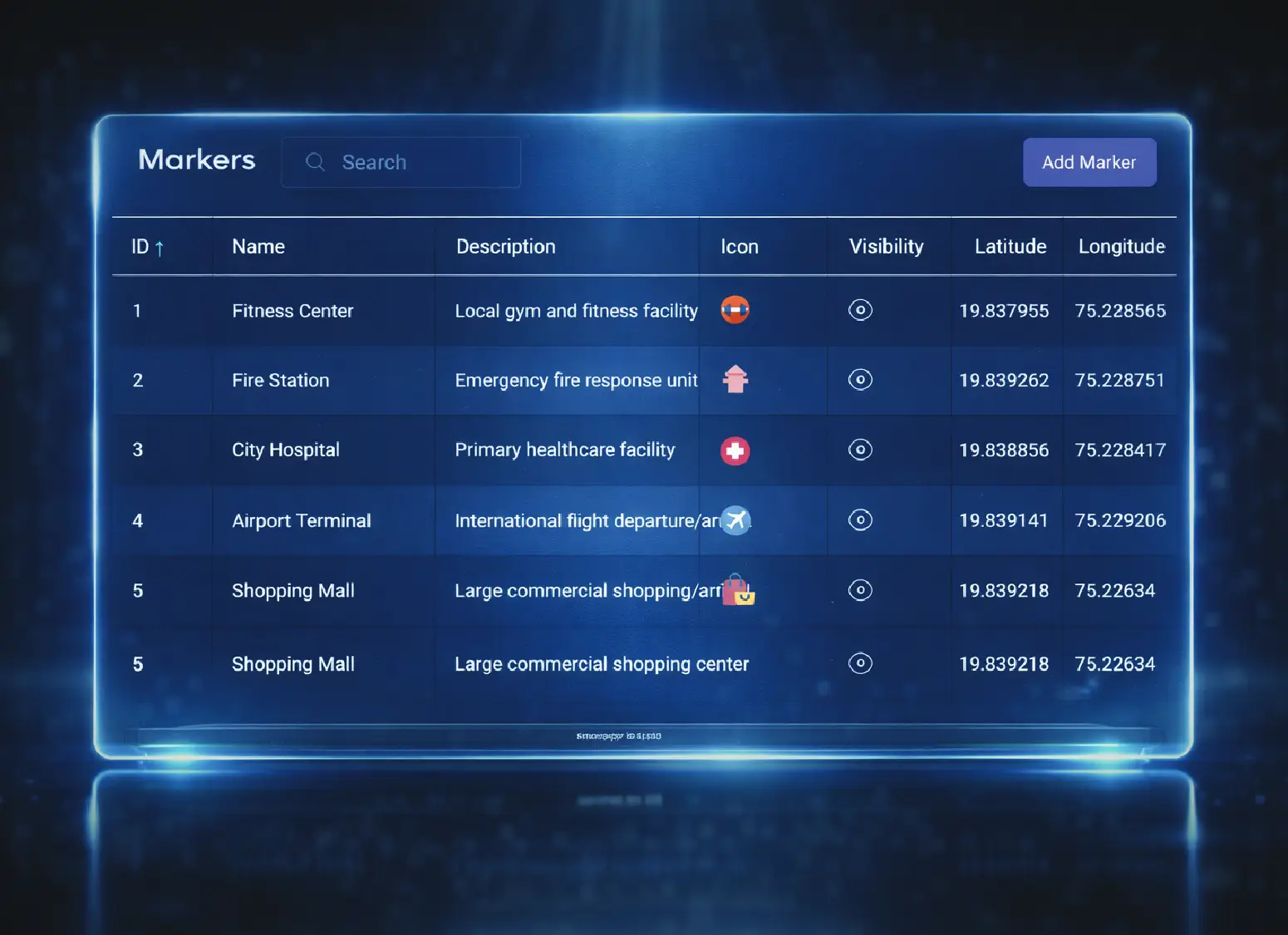
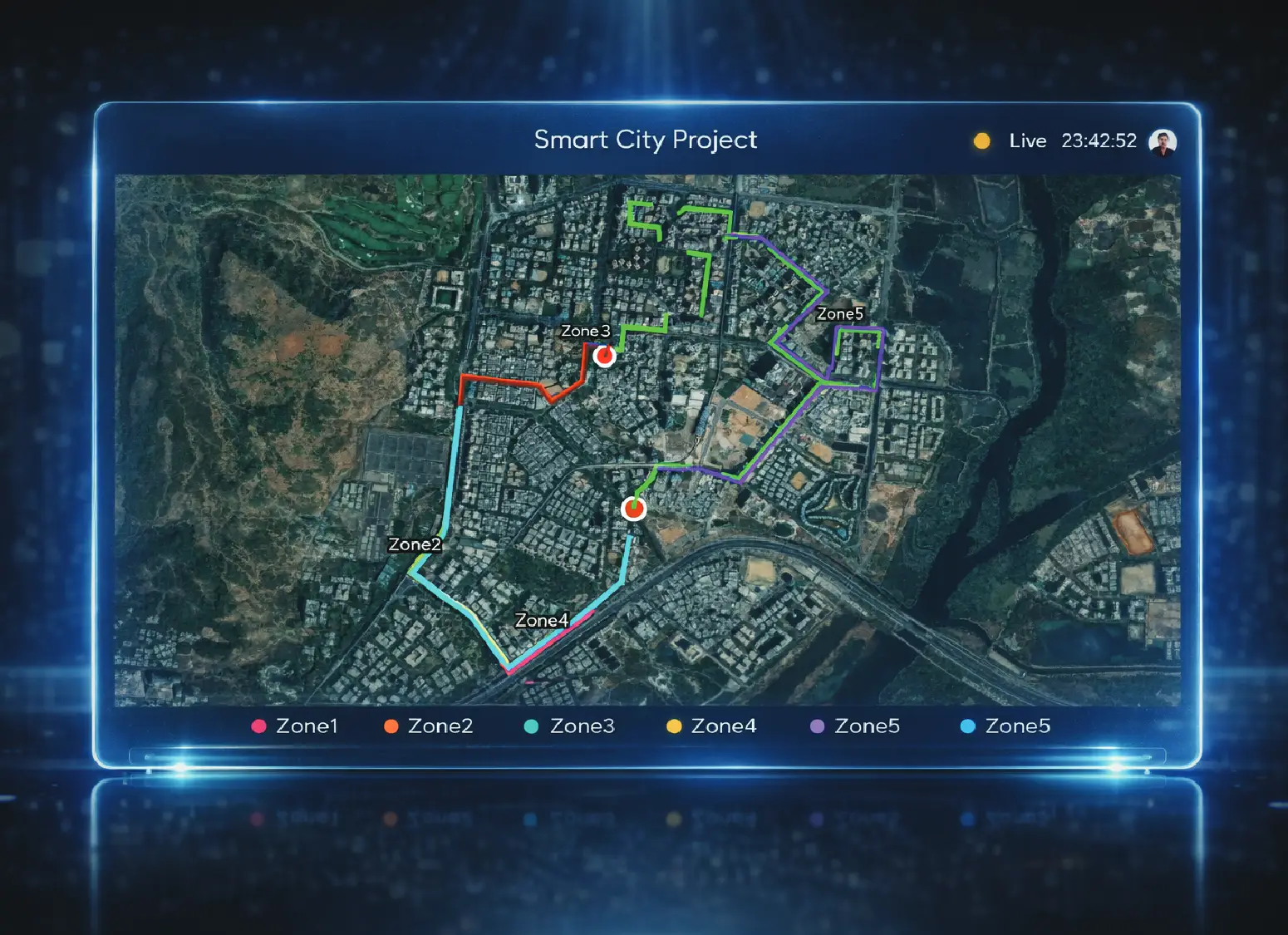
Backscattered Raw vibration signals are processed by DAS and AI engines. They are converted into alerts,which are displayed in STL dashboards. alerts tagged to GIS maps that will show what , where ,and when it happened.

A single DAS unit can monitor up to 80km of fiber in real time. One DAS unit has 2 channels,each channel can cover 40km of fiber length.Both channels will cover 80km to both directions.For longer distances, multiple units can be used in a networked fashion.

No. The existing optical fiber itself becomes the sensor. Only a DAS hardware unit at one end is required, eliminating the need for thousands of separate sensing devices in the field.

Yes. Digging creates distinct vibration patterns. DAS unit detects them instantly, pinpoints the location, and sends alerts before damage occurs, preventing costly service disruptions.

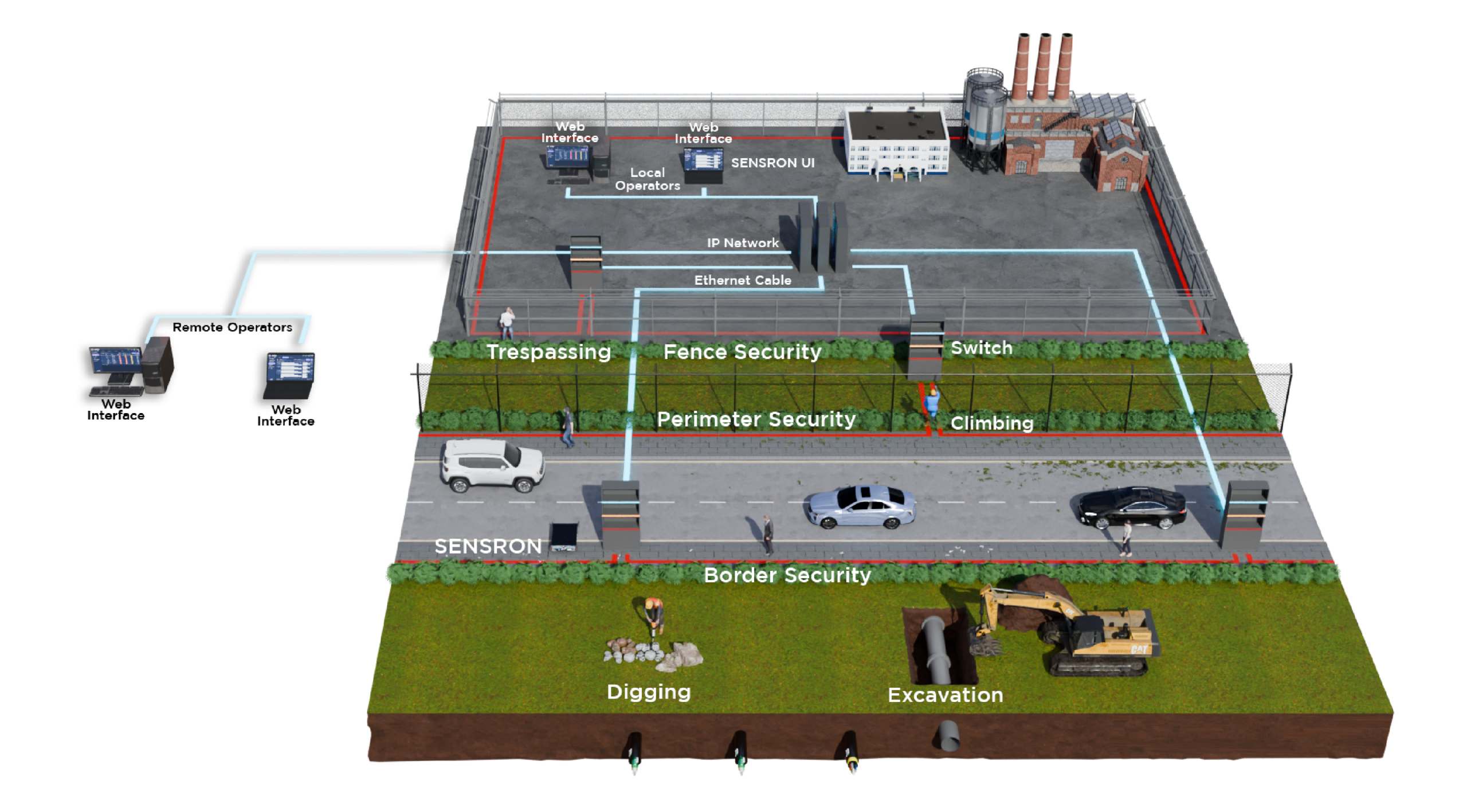
FOS acts as an invisible perimeter security. Optical fiber can be deployed in overground perimeters like fences/walls or buried underground.Fiber in Overhead perimeters will help to detect,Climbing,cutting or any other physical intrusion activities.Underground Fiber can detect footsteps, digging,tunneling,vehicle movement or an unauthorised physical movement near the perimeter.All these events are detected and mapped, providing real-time alerts for intrusion.

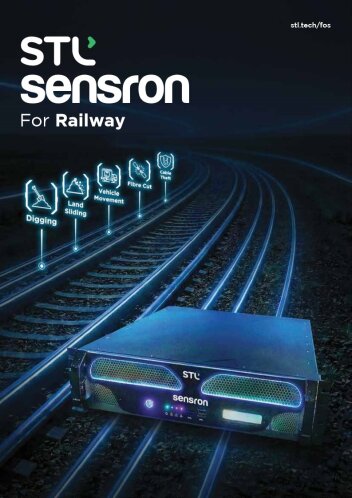
Yes. Rail operators use FOS to detect train movement, track faults,animal movement and trespassing. It improves passenger safety, prevents accidents, and optimizes maintenance planning.

FOS helps monitor traffic, detect underground works, ensure public safety, and secure utilities. By turning existing city fiber networks into sensors, it makes urban systems more intelligent and responsive.

Since it uses the existing fiber network, FOS eliminates the need for thousands of physical sensors. Real-time detection reduces downtime, theft, and repair costs, delivering massive savings over time.

Operators need basic training to interpret dashboards and alerts. Most of the complexity is handled by AI, making the system user-friendly and quick to adopt.STL will provide necessary training to operators to monitor and maintain the system.

Highly scalable. Multiple DAS units can be deployed along a long-haul fiber route. They can be centrally managed, making it possible to monitor hundreds of kilometers seamlessly.

Learning Resources

Spec Sheet

OptoBlaze

Know More
Case Study

OptoBolt

Know More
Spec Sheet

OptoBolt

Know More

Making Fiber Smarter Than Ever with AI

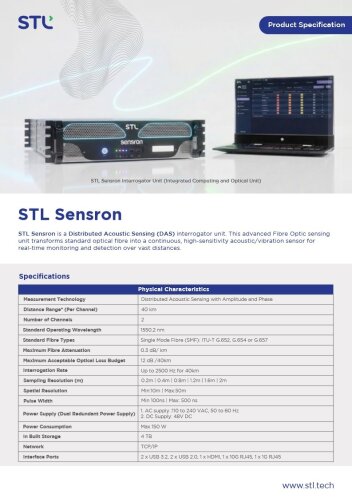
Distributed Acoustic Sensing (DAS) Interrogator System

Optical fibre Cables

Predicts trouble before it strikes

Know More
A Comparison of Dry Versus Gel Filled Optical Cables

A Comparison of Dry Versus Gel Filled Optical Cables

Know More
Mass Fusion Splicing of Optical Fiber Ribbon Cables

Mass Fusion Splicing of Optical Fiber Ribbon Cables

Know More
Installation-of-optical-fiber-cable-by-blowing-jetting

Installation of Optical Fiber Cable by Blowing / Jetting

Know More
Selection of the Correct Optical Cable Outer Jacket for the Application

Selection of correct Optical Cable Outer Jacket

Know More
Micro Cables, Application

Micro Cables Application Ducts Accessories,Equipments,Installation

Know More
Selection of the Correct Optical Cable Outer Jacket

Selection of the Correct Optical Cable Outer Jacket for the Application

Know More
Optical Cable Pre-Construction Survey

Optical Cable Pre-Construction Survey

Know More
Measurements in New Optical Cables

Measurements in New Optical Cables Pre-Construction and Post-Construction Measurements

Know More
Indoor Cable Application Note

Indoor Cable Application Note

Know More
Handling, transportation and Storage procedure

Handling, transportation & storage procedure for OFC drums

Know More
Optical Fiber Cable–Fault Location Detection

Fault Location Detection procedure

Know More
Selecting the correct cable type for Outside Plant Application

Selection of the Correct Optical Cable Core Design for the Application

Know More
Aerial Fibre Cable Placing Methods

Aerial Fibre Cable Placing Methods

Know More
Gel Free ADSS Cable Placement Procedure

Gel Free ADSS Cable Placement Procedure

Know More
Dry-Core ADSS Cable Placement

All Dielectric Self Supporting Cable Placement Procedure

Know More
Access to Fiber Optic Microcable

Access to fibre optic microcable

Know More
Field Test Procedure for Optical Fibre

Field Test Procedure for Optical Fibre Link Measurements

Know More
CLEANING OVERVIEW

Cleaning Overview

Know More
Selection of the Correct Optical Cable Outer Jacket for the Application

Selection of the Correct Optical Cable

Know More
Grounding of Metallic Component of Cable

GROUNDING OF METALLIC COMPONENT OF CABLE

Know More

AE note on color optical Fiber

Know More
Aerial Fig. - 8 Fibre Cable Placing

Aerial Figure-Eight Fiber Cable Placing

Know More
Installation of Optical Fiber

Installation of Optical Fiber

Know More
Ribbon Fiber Cable

Ribbon Fiber Cable- A comparison with Non-Ribbon Cable

Know More
Safety Procedure

Safety Procedure-Optical Fibre Cable

Know More
Underground Installation of Optic Fiber Cable

Underground Installation of Optic Fiber Cable Placing

Know More
Optical fiber cable jacket zippering

Optical fiber cable jacket zippering

Know More
Gel Free ADSS Cable

Gel Free ADSS Cable Placement Procedure Rev Oct 2018

Know More
Contact STL Sales