|
We wrapped up Yotta 2026 and Capacity Europe 2026
|
|
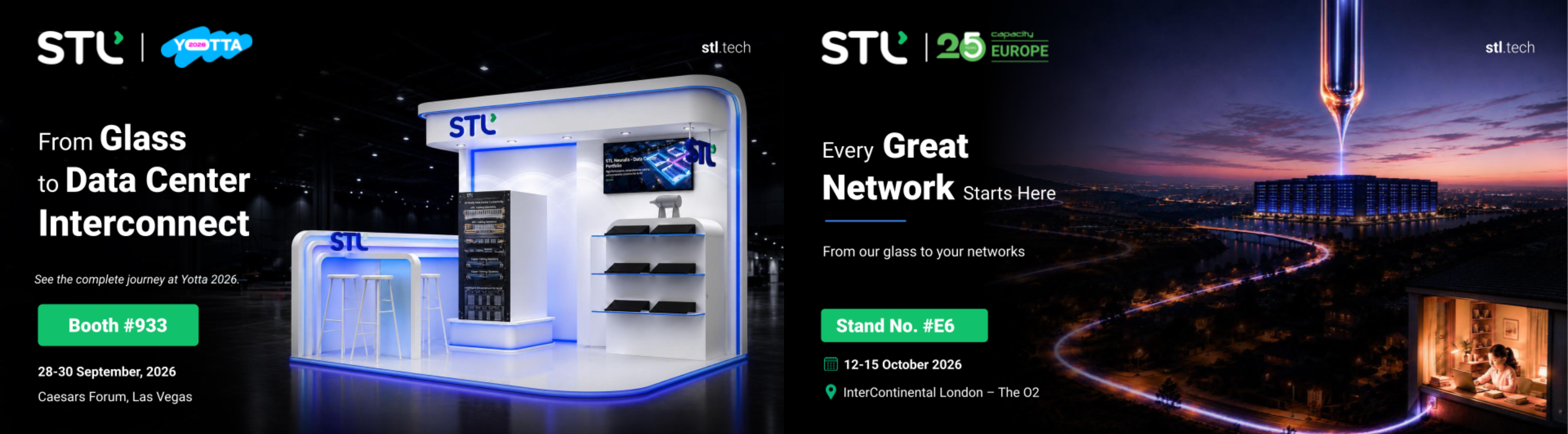
Thank you for visiting us at Yotta 2026 and Capacity Europe 2026.
At Yotta 2026, we showcased how STL is building next-generation AI data centers; from optical glass to AI compute.
At Capacity Europe 2026, we showcased how STL transforms advanced glass into the optical technologies powering tomorrow's networks. For any further discussions,
|
|
Reach out to us today
|
|
|
|
|
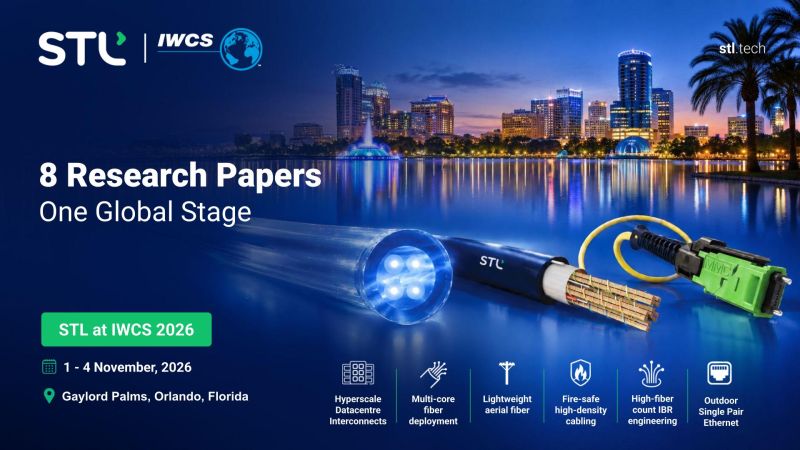
Meet STLer team at IWCS 2026
|
|
Six technical presentations. Two poster papers. One week of serious cable and connectivity conversations. STL is participating in IWCS 2026 in Orlando with research spanning hyperscale data centers, next-generation fiber, fire-safe interconnects, aerial networks, high-fiber-count cable engineering and Single Pair Ethernet. Our STLer Technology and R&D team is looking forward to engaging discussions on how we can shape the future of digital infrastruture together.
|
|
|
|
|
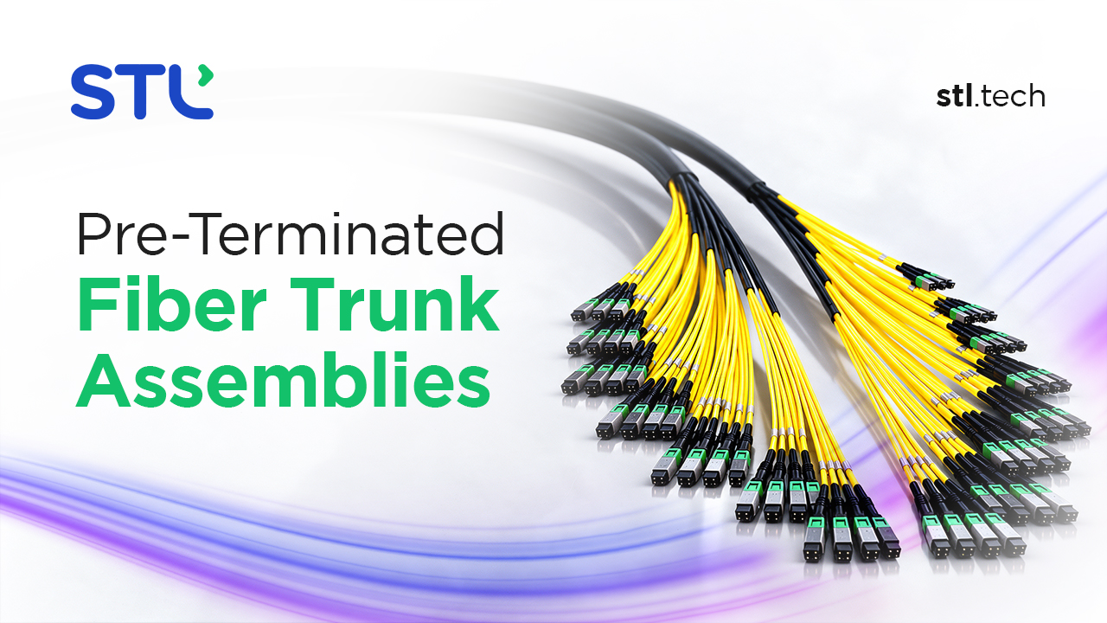
STL strengthens its Neuralis portfolio with Pre-Terminated Fiber Trunk Assemblies
|
|
STL has strengthened its Neuralis Data Center portfolio with Pre-Terminated Fiber Trunk Assemblies ranging from 48F to 6912F. This is a high-density cabling portfolio purpose-built for hyperscale and enterprise data centers navigating an unprecedented surge in bandwidth demand driven by AI, cloud and high-performance computing workloads.
|
|
Read more
|
|
|
|
|
Your accelerator will change in 18 months. Your fiber won’t.
|
|
Different AI chips create very different demands on the cabling beneath them. Training GPUs drive ultra-high-density trunking at 800G and 1.6T, inference ASICs call for moderate fiber counts and structured cross-connects, and edge NPUs rely on simple duplex patching. Silicon refreshes every 12-18 months, while fiber infrastructure is expected to serve for 10-15 years, so the pathways you install today have to outlast several accelerator generations.
|
|
Read full blog here
|
|
|
|